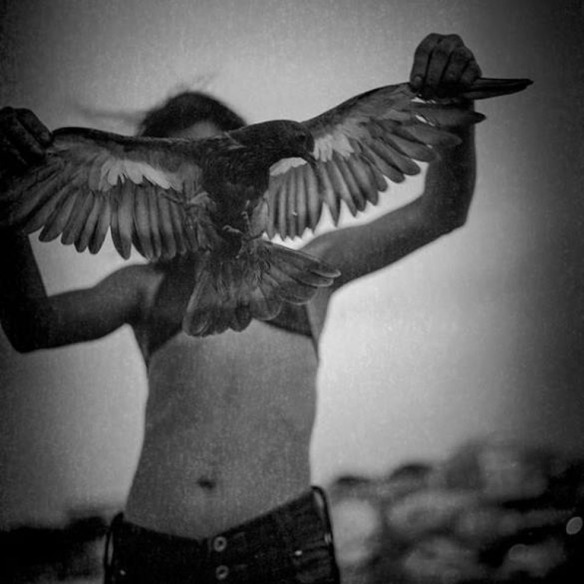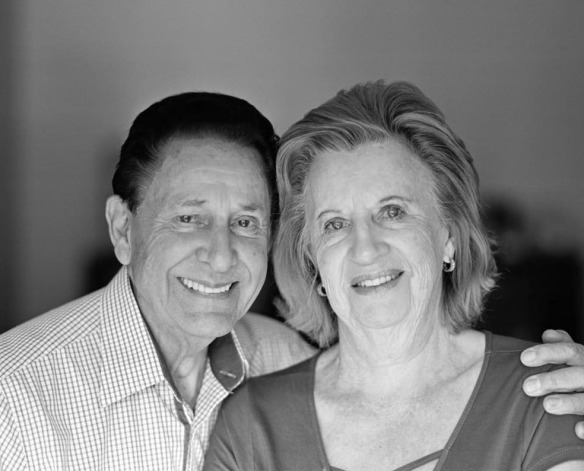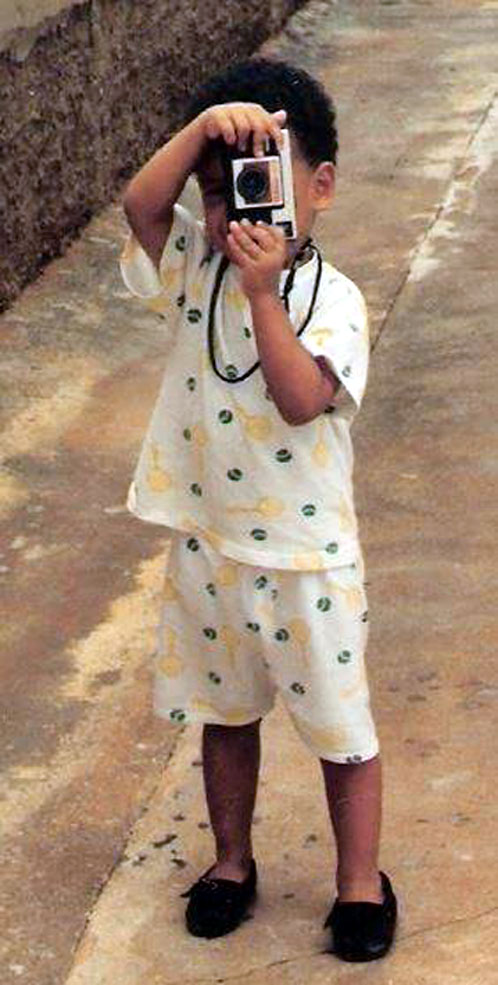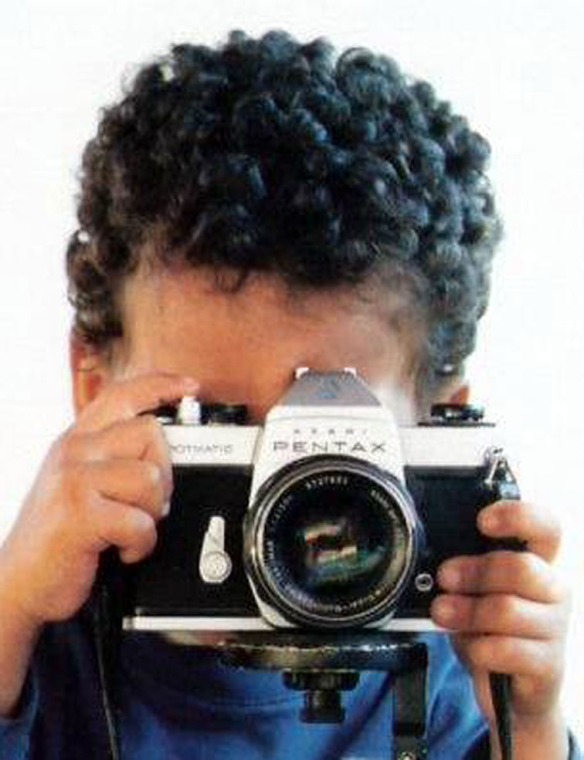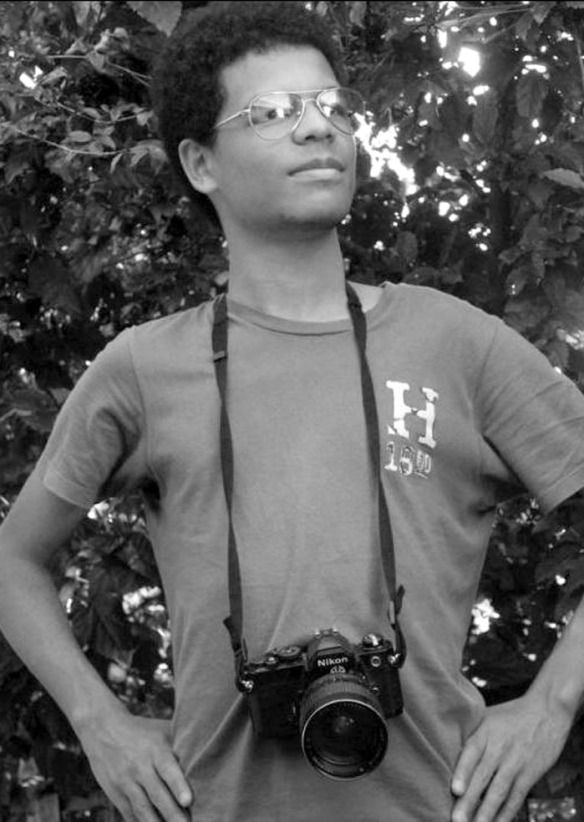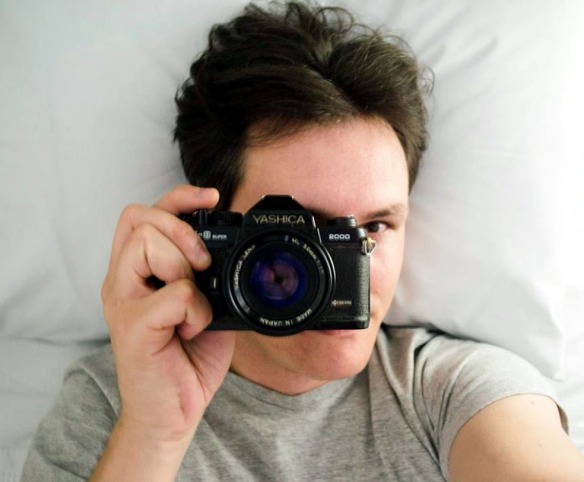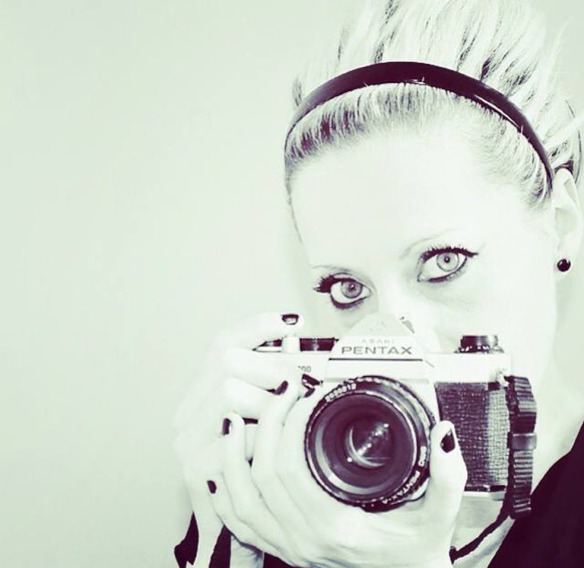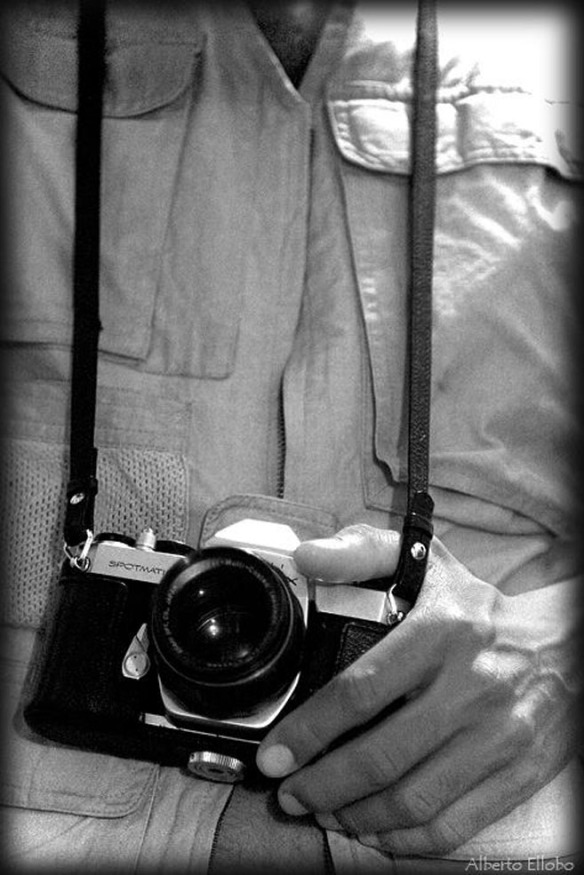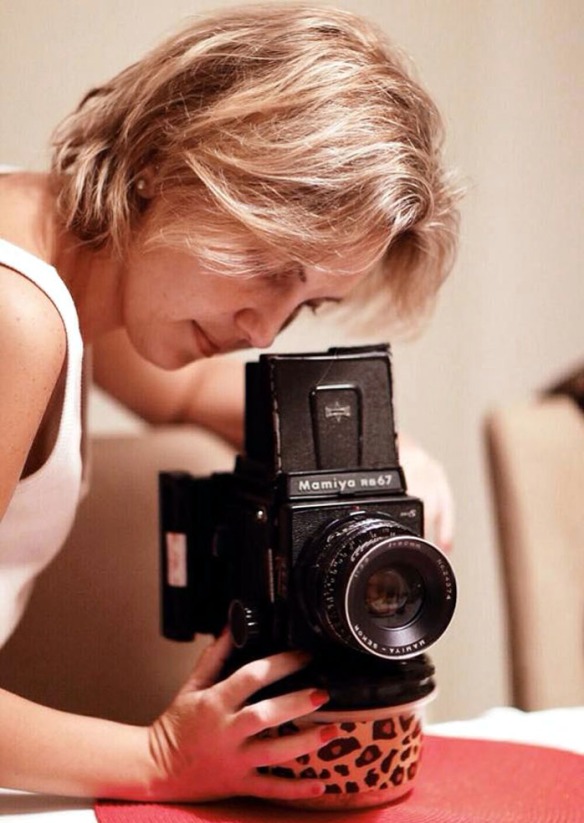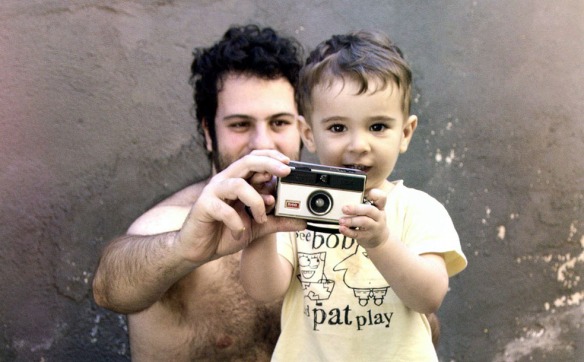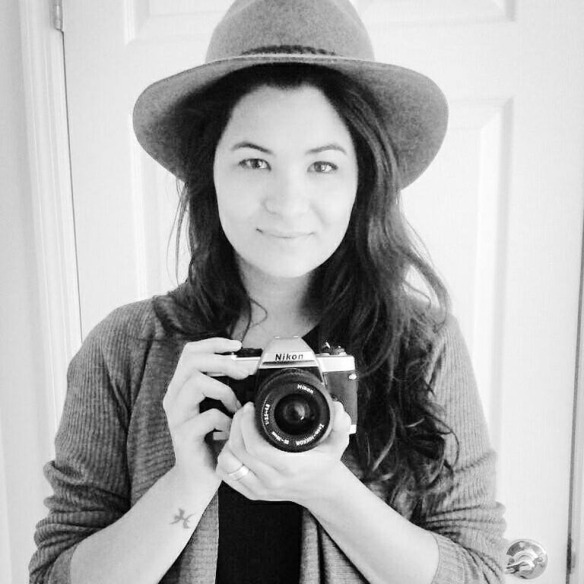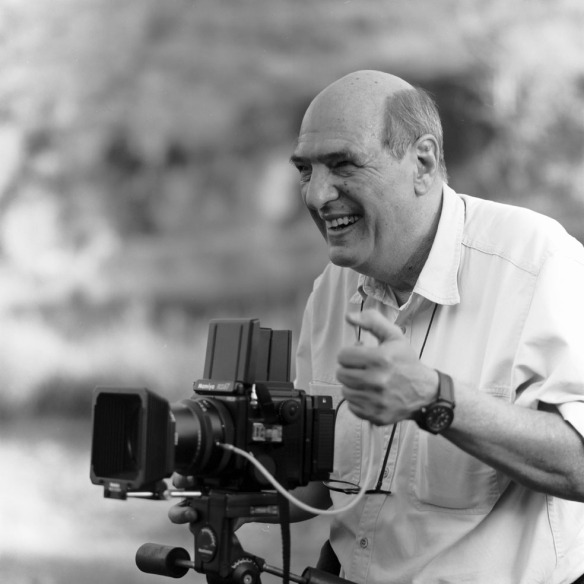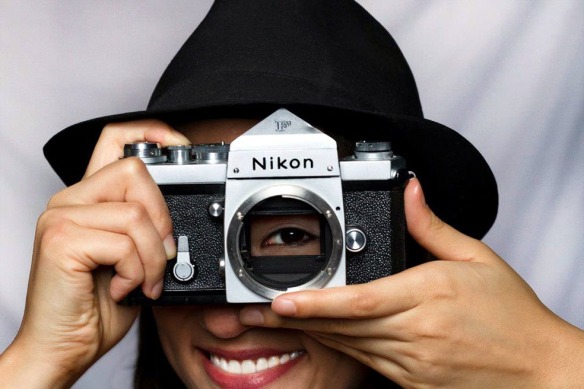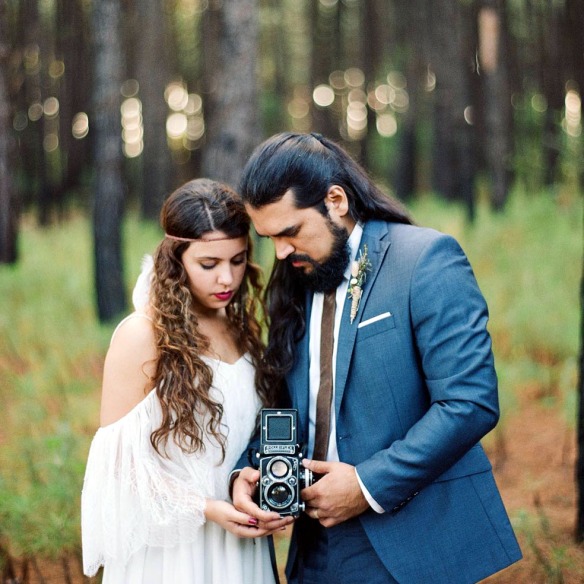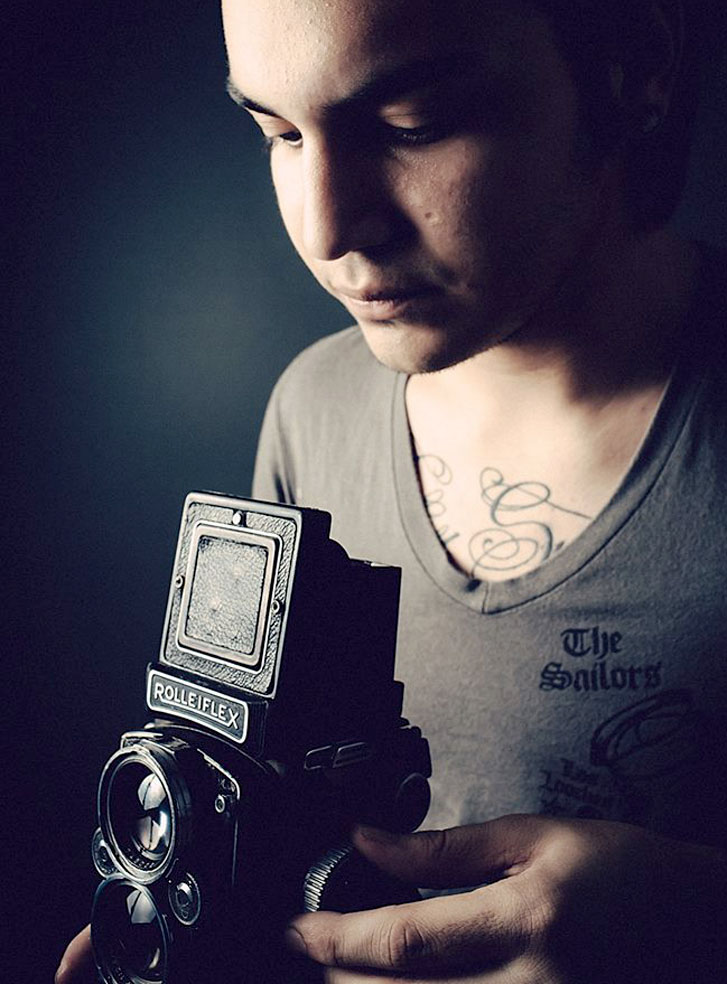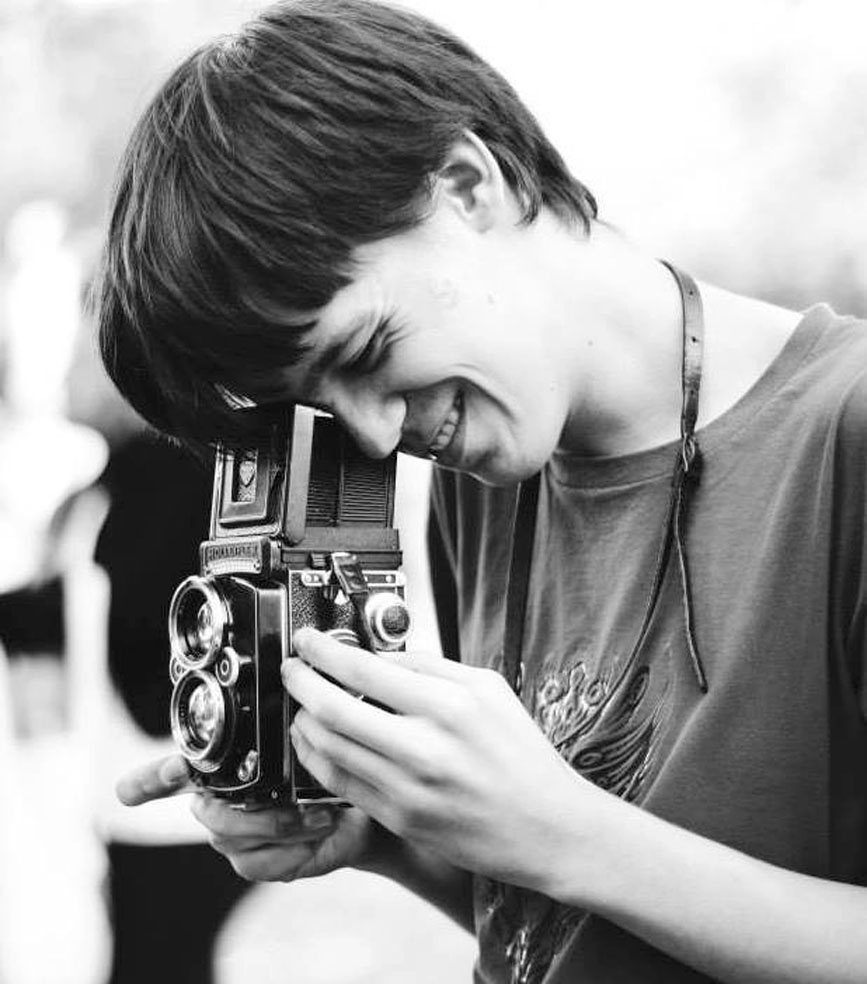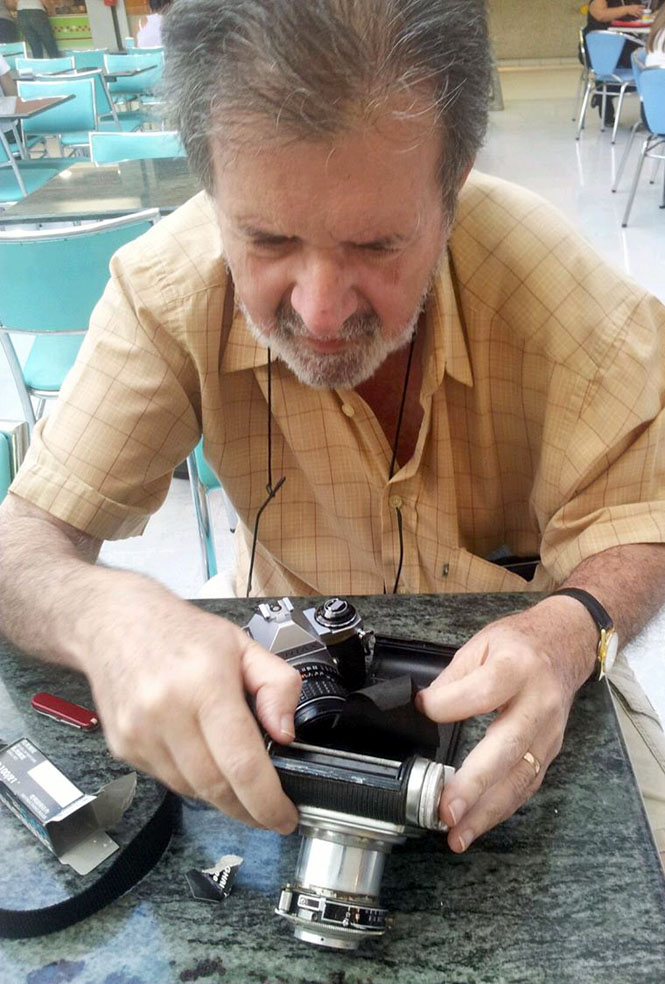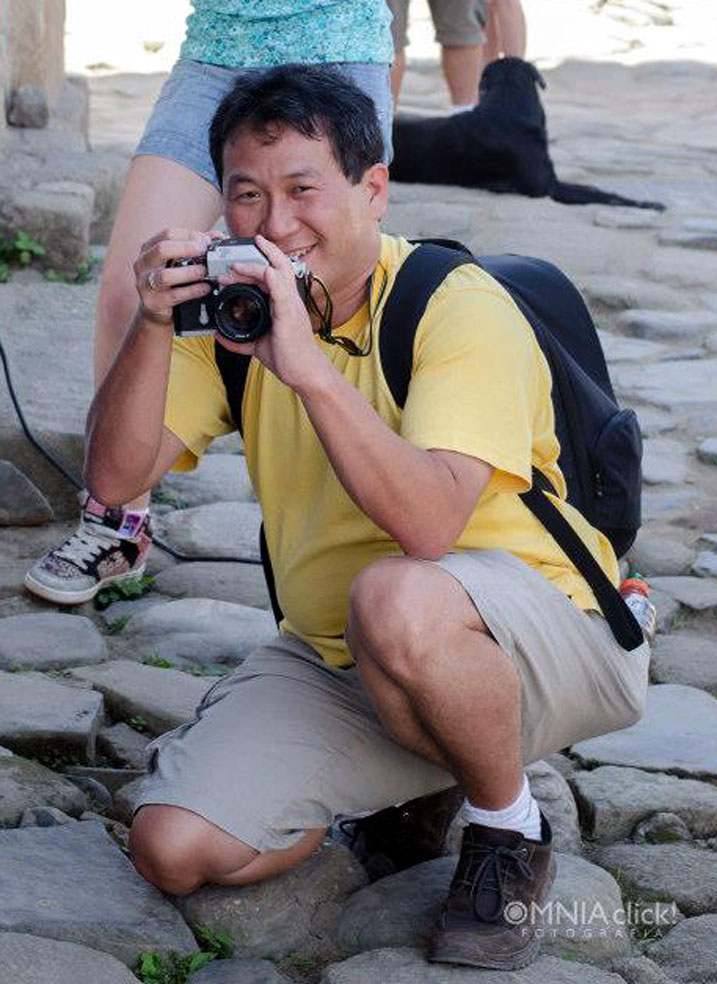
“When people ask me how they can become a photographer, I almost never mention cameras, lenses, or technique.”
Steve McCurry.
“When people ask me how they can become a photographer, I almost never mention cameras, lenses, or technique.”
Steve McCurry.
I found this interesting article on a local photography magazine.
“Hundreds of films to unravel the Amazon Forest.
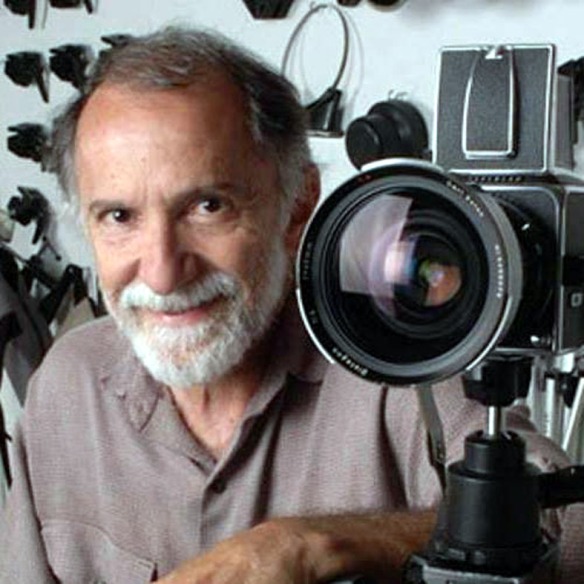
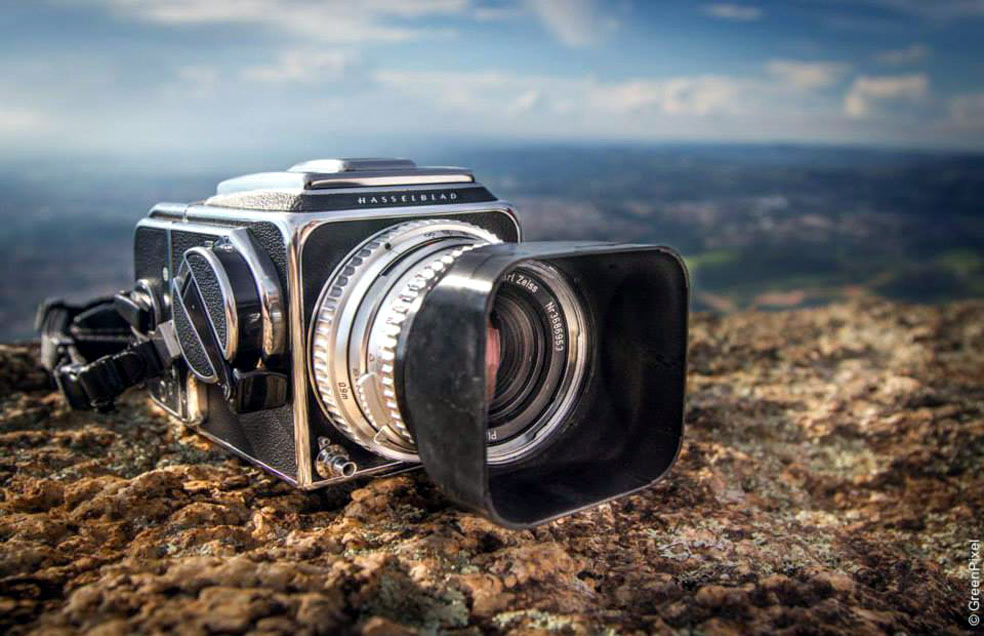
In 2011 photographer Edu Simões made 5 expeditions to Amazon Rain Forest. With his HASSELBLAD he shoot local landscape and people´s lifestyle in a total of 474 rolls of B&W films. The result is a new book called “Amazônia” with one hundred photos and text in portuguese, english and spanish. Published by Terra Virgem Editora the book is for sale since begining of May for R$100 (around $50). More information at www.terravirgem.com.br.”
E-mail: terravirgem@terravirgem.com.br.
Hilton is a friend that managed to gather a great camera collection. After reach near 300 cameras he sold a few to focus only on non-electronic German cameras. Now he has around 200. Here he holds his favorite one: a Contarex Bulls-Eye.
All his cameras are in perfect working conditions – and he does use them all – and are kept without lens caps on a air-conditioned room to avoid fungus.
On this cabinet he keeps the Zeiss-Ikon cameras. Each camera is kept with their respective instruction manuals and accessories like filters, cases, etc.
Here the Voigtländers.
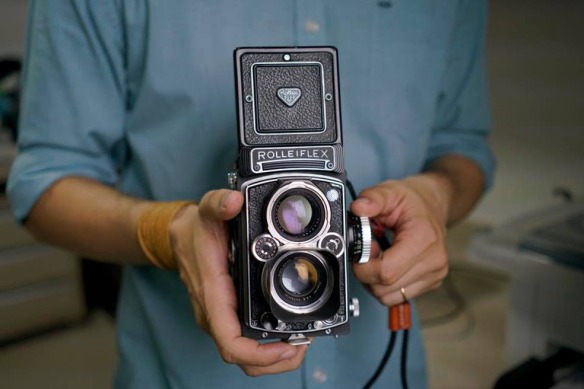
Right cabinet: TLRs and some more mixed type and brand. He is not much to like TLR cameras so he has only a few Rolleiflex, Yashica and Zeiss-Ikon models. Left cabinet: Agfa.
More Zeiss-Ikon: Ikoflex, Contarex, Contax and copies (Nikon rangefinders, Zorky and Fed).
Although he focus on German cameras, he keeps rangefinders from other countries, like Canon, Nikon, Zorky and Fed.
Zenit, Olympus Pen, Olympus Trip, Miranda, Kapsa, Pentax, Fujica and some others. These cameras he doesn´t feel like part of his collection.
Two timers for lab and one Franke&Heidecke support to display Rolleiflex cameras.
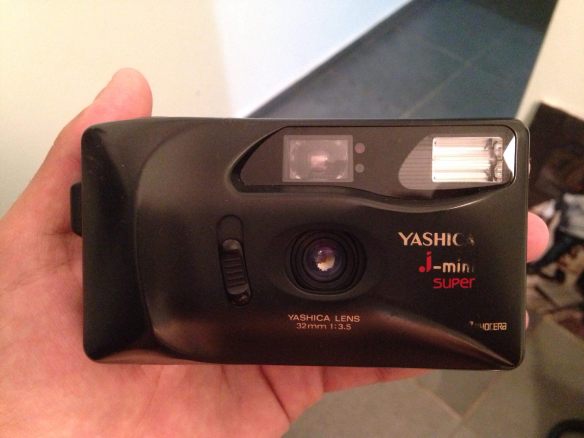
Polaroids, slide and movie projectors, old folding crap, colorful Yashica PS cameras, movie cameras, stereo gogglers, etc. These stuff he doesn´t feel like part of his collection.
Chemicals and darkroom stuff.
This table is his workplace for light maintenance, like lens cleaining and so on. For heavy tasks he takes his cameras to Optisom.
Still talking about the last post, my friend Ricardo have tried a similar method.
Although not so elaborated as Glauco´s, Ricardo could achieve a result good enough for what he wants.
I have done a few tests myself with this method using a Canon 5D and a lightbox.
I wraped a glass and pushed the film strip in between the glass and the lightbox in order to make it easy to position the next frame.
The results went from bad (high distortion and no corners out of focus)…
…to not-so-bad (only distortion).
I think this method is better for 35 mm film.
But that was not good enough for me so I bought a secondhand Epson 4490 flatbed scanner from a friend.
In Brazil good tranparency scanners are overpriced so I was lucky to find this one for only $200. It worth each cent! It is fast, user friendly and delivers results as good as you want.
Here you can see one photo digitized by the “cheap method”.
And here the same photo digitized by the flatbed scanner.
The flatbed scanner is much better for fine textures and under and overexposed areas.
If you are looking for a cheap and fast method to take your pictures to internet, shooting your film with a digital camera may solve your problems. The key points to achieve good results are:
- Choose the right lens. I tried some manual focus lenses with macro rings but the best results came with a Canon 28-70 autofocus lens. With this lens I could keep some distance from the lightbox and zoom in or out in order to fill the frame of the camera. It results in less distortion also.
- Choose the aperture of maximum performance, that delivers the sharpest image. Usually it is f/8, but it depends on each lens.
- Use a tripod and a release cable to avoid even the slightest movements that can compromise the sharpness.
- Take notes. It was a problem finding the setup each time I wanted to digitize my films. But once everything was set it was really fast to shoot all frames.
If you want to suck all information and details from your films you should consider buy a good flatbed or film strip scanner.
Last week when I went to Mr. Peres to pick up the Tele Rolleiflex I met with Glauco.
He was picking up a Tessar 160 mm f/4.8 lens for Hasselblad he left to clean.
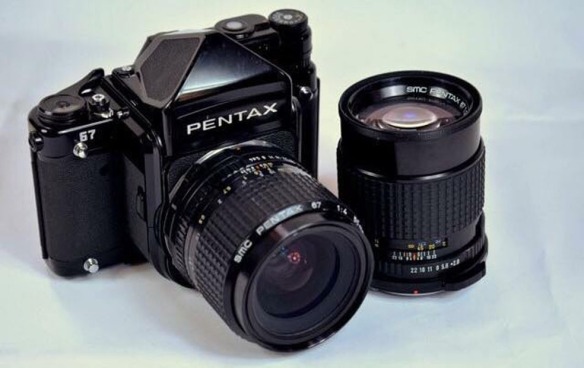
Glauco is a fantastic phographer and it worth take a look at his flickr pages. He makes the kind of pictures I like and sometimes I have to be careful not to copy his way of shooting. He has a very impressive set: Hasselblad, Pentax 67, Rolleiflex 2.8 with Xenotar lens, Tele-Rolleiflex and Wide-Rolleiflex.
Not to mention his “dream fridge”.
As I mention before, Glauco created a very cheap scanning gadget: the “Shoebox Scanner”.
All photos on his flickr were scanned using this method and, as we can see, he has achieving some very good results.
Everytime I go to Pretti I find someone buying a camera. This time Rodrigo was checking out a beautiful Olympus with 50 mm f/1.4 lens.
Then I went to Mr. Peres and I met João with his Pentax MZ60.
Ricardo is a fellow that owns some film cameras but this time he came with this.
“A Feuerzeug?” you may think.
“Nope! Chuck Testa”… just kidding… It is a camera-pendrive disguised as a Feuerzeug.
The bigger hole is the lens. The smaller one at right is the microphone. It records movies or still. Only one button to switch on and off and battery is reloaded at USB port.
The image is terrible but… it is a Feuerzeug!!